
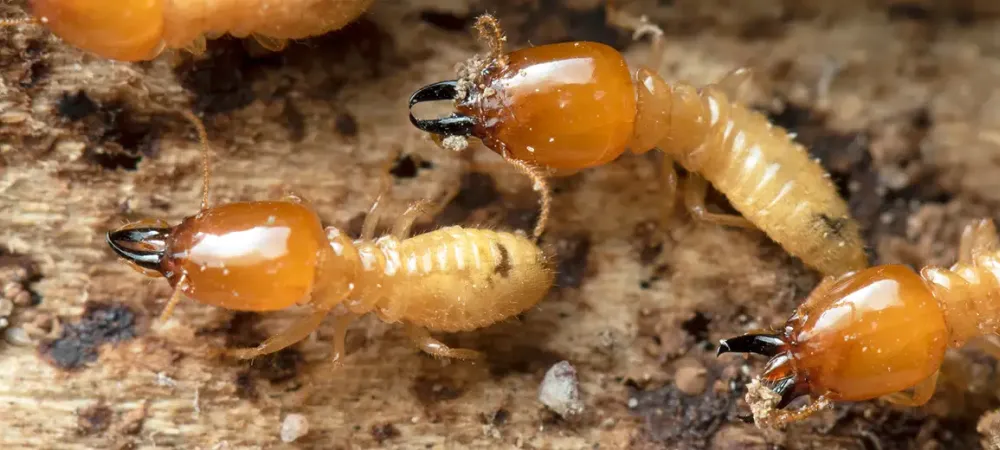
When is Termite Season in Kentucky?
Every spring, thousands of Kentucky homeowners spot a cloud of winged insects near a window or door and have no idea what they're looking at. By the time they figure it out, the damage may already be done.
What Kentucky Homeowners Need to Know
- Termite swarm season in Kentucky runs from February through June, with peak activity in March and April after warm rains.
- Kentucky sits in a moderate to heavy termite activity zone, meaning virtually every home faces real risk of infestation.
- Termites do not stop being active after swarm season. If your home has warmth, moisture, and wood, they will feed year-round.
Spring in Kentucky brings blooming redbuds, warm rains, and, unfortunately, termites. In our 3 years serving Kentucky homeowners, we've seen more termite damage discovered during swarm season than any other time of year, not because termites are new to the property, but because swarming is often the first visible clue that a colony has been quietly feeding for months or even years.
Understanding when termite season hits, what triggers swarming, and how termites behave the rest of the year can save you from a very expensive surprise. Here's what you need to know.
When Is Termite Season in Kentucky?
Termite season in Kentucky is generally considered to run from February through June. That said, swarms have been recorded here as early as mid-January, particularly in heated structures where warmth mimics spring conditions. The window is longer than most homeowners expect.
Peak activity tends to cluster around March and April, when daytime temperatures consistently reach the mid-60s, and spring rain softens the soil. Those are the conditions that signal reproductive termites it's time to leave the colony and find new ground.
It's worth noting that "termite season" refers specifically to swarm season, the time of year when termites are most visible to homeowners. The colony itself is active and feeding throughout the year. Swarm season is just the window when you're most likely to notice them.
What Triggers a Termite Swarm?
Termite swarms are not random. They're triggered by a specific combination of environmental conditions: rising temperatures, increased humidity, and often a warm rain event. When soil temperatures climb and moisture is present, the colony releases winged reproductive termites, called alates or swarmers, to leave the nest and establish new colonies.
In Kentucky, this typically happens on calm, warm afternoons following a rainfall, most commonly between late February and early May. Swarms can also occur inside heated buildings during the winter months if the colony has established itself within the structure.
How Long Does Swarm Season Last?
A single swarm from one colony typically lasts less than an hour. But swarm season as a whole can stretch across several months because different colonies swarm at different times, and Kentucky is home to more than one termite species. We've seen colonies swarm for more than eight days consecutively under the right conditions.
The swarm itself, while alarming, is not the damage event. The colony that produced those swarmers has been feeding on your home long before you saw a single winged insect. The swarm is the alarm, not the problem itself.
What Types of Termites Are in Kentucky?
Kentucky has three subterranean termite species that are relevant to homeowners. Each has its own swarm window, which is part of why termite season here stretches across so many months.
- Eastern Subterranean Termite: The most common species in Kentucky. Swarms in daylight from February through May. This is the species responsible for the majority of termite damage in Kentucky homes.
- Dark Southeastern Subterranean Termite: Swarms in daylight from March through June.
- Light Southeastern Subterranean Termite: Swarms later in the season, typically from August through October.
Drywood termites are not established in Kentucky, and Formosan termites have not been identified here. The closest known Formosan infestations are in southwest Tennessee and western North Carolina. For now, subterranean termites are the primary concern for Kentucky homeowners.
All three species nest underground, travel through mud tubes, and feed on the structural wood in your home. If you're working with a professional termite control team, identifying the species correctly matters for treatment selection. Swarmers from different species look similar, and they're also commonly confused with flying ants. Termites have straight antennae, a uniform waist, and two pairs of equal-length wings. Flying ants have elbowed antennae, a pinched waist, and unequal wings. The distinction matters, but understanding subterranean termite behavior gives you a much clearer picture of what you're dealing with.
Do Termites Stay Active in Kentucky Year-Round?
This is one of the most common misconceptions we run into. Many homeowners assume termite season ends when the swarmers disappear. It doesn't.
Termites are cold-blooded, so their activity slows in colder temperatures. But Kentucky's winters are mild enough that colonies often remain active year-round, particularly in homes where they've established themselves inside heated walls, crawl spaces, or subfloor structures. Workers don't need to surface. They stay insulated and keep feeding.
What we've found after 3 years of inspections is that the most severe damage cases almost never start in spring. They start in the fall or winter, when no one is thinking about termites, and they aren't discovered until the colony swarms months later. By that point, you may be looking at years of undetected feeding.
Kentucky's climate puts the state solidly in Termite Infestation Probability Zone 2, rated as moderate to heavy activity. That means the risk isn't occasional. It's ongoing. Proactive protection matters far more than reactive treatment.
What Should Kentucky Homeowners Do During Termite Season?
Termite season is the right time to take stock of your home's vulnerability. Here's where to focus your attention:
- Reduce moisture around your foundation. Termites are drawn to moisture. Make sure gutters and downspouts direct water away from the structure. Fix leaking pipes and outdoor faucets. Grade soil so surface water drains away from the home.
- Eliminate wood-to-soil contact. Direct contact between structural wood and soil is one of the most common entry points for subterranean termites. Check crawl space supports, deck posts, and fence lines.
- Manage mulch carefully. Mulch retains moisture and can harbor termites, especially when it sits against wood siding or door frames. Keep it at least six inches from the foundation and no more than two to three inches deep.
- Ventilate crawl spaces. Humidity in crawl spaces creates ideal conditions for termites. Proper ventilation and a polyethylene moisture barrier over exposed soil can significantly reduce the risk.
- Schedule a professional inspection. Many infestations have no visible signs from the outside. A trained inspector knows where to look and can find activity before it becomes serious damage.
If you've spotted swarmers, shed wings near windows or doors, or pencil-sized mud tubes along your foundation, don't wait. Those are indicators that a colony is already established. Schedule an inspection with Kentucky Pest Control as soon as possible. Our termite control services are designed to locate and eliminate colonies, not just treat the surface.
Protecting Your Kentucky Home Starts Before the Swarm
The best protection is a proactive plan that keeps your home monitored and treated before a colony has the chance to establish. Our team has been protecting Kentucky homes from termite damage for 3 years, and we know what works in this climate and in these soil conditions. Contact us for a professional termite inspection and find out exactly where your home stands. Don't wait for visible damage to tell you there's a problem. Get a free quote today and protect your most important investment before this season's swarmers find your foundation first.