
DIY Mouse and Rat Control vs. Professional Treatment: What Actually Works
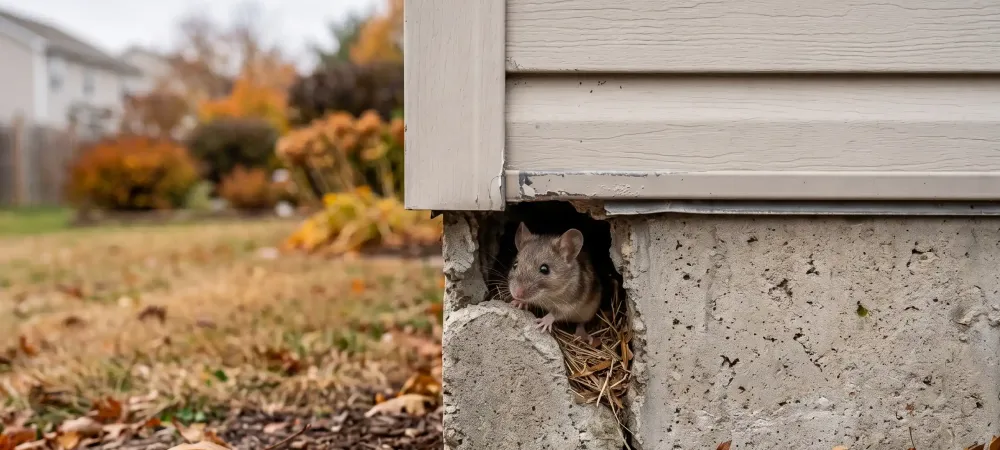
DIY methods can knock back a small mouse problem, but they rarely solve a real infestation. Snap traps and store-bought bait kill the rodents you can see, but if mice or rats still have an open way into your house, more will keep coming in behind them. The traps you set are addressing the symptom. The entry point is the actual problem.
Why ultrasonic repellers and home remedies fall short
Ultrasonic repellers and peppermint oil have little real effect on rodent behavior. The Federal Trade Commission has taken enforcement action against ultrasonic pest-control device makers since the 1980s, and in 2001 FTC staff sent warning letters to more than 60 manufacturers and retailers whose efficacy claims weren't backed by real evidence. The devices emit high-frequency sound that's supposed to be unbearable to rodents, but the sound doesn't pass through walls or furniture, so a device in one room does nothing for the next room over. Mice and rats also adapt to repeated sounds within days and simply stop reacting to them.
Peppermint oil works about the same way: rodents may avoid a strongly scented area for a short while, but the effect fades fast and doesn't stop them from finding another way in. Cornell's New York State Integrated Pest Management Program puts exclusion at the center of effective rodent management, and the numbers explain why: a rat can squeeze through a gap about the size of a quarter, and a mouse through one about the size of a dime. Sealing those entry points solves the actual cause. Repellers and home remedies, at best, buy a little time.
What actually gets rid of mice and rats?
A combination of exclusion and targeted removal is what actually solves a rodent problem. Exclusion means finding and sealing the gaps rodents use to get inside, things like cracks at the foundation, gaps around utility lines, and damaged vent screens. Once entry points are sealed, traps and bait placed at known activity areas clear out the rodents already inside. Skipping the exclusion step and only trapping is why a lot of DIY attempts fail. New rodents keep replacing the ones that get caught.
A full rodent control service treats both halves of that problem at once, rather than tackling them separately and hoping it's enough.
How can you tell if you have mice or rats?
The droppings and the size of the entry point are the easiest way to tell mice from rats. Mouse droppings are small, around a quarter inch, with pointed ends, while rat droppings are noticeably larger and more rounded. Gnaw marks follow the same pattern. Mice leave finer, lighter scratches on wood and wiring, while rats leave wider, deeper gouges because of their larger jaw size.
The noises differ too. Mice tend to produce quick scurrying and faint squeaking, mostly at night, while rats are heavier and louder, especially in attics or wall voids where they're more likely to nest.
Why does professional treatment work where DIY products don't?
Professional rodent control works because it treats the property as a whole system instead of just the spots where rodents have already been seen. A technician inspects the full exterior for entry points, addresses food and water sources that are drawing rodents in, and places traps or bait strategically based on actual activity patterns rather than guesswork. That's a different process than buying a single product off a shelf and hoping it covers the whole house.
In Kentucky, rodent pressure climbs as temperatures drop in fall, when mice and rats start looking for warm, sheltered places to spend the winter. If you're already watching for that shift, our seasonal rodent control guide covers what changes month to month. Older homes and properties near wooded lots or creeks tend to see more activity, since both provide easy cover right up to the foundation.
When is the best time to address a rodent problem?
Anytime is the right time to deal with rodent activity, but earlier is always better than later. A pair of mice can produce a new litter roughly every three weeks, so a small problem in 2026 can turn into a much bigger one within a single season if it's left alone. Sealing entry points before fall, when rodents start actively seeking shelter, also makes prevention easier than dealing with an established population once the weather turns cold.
Hearing scratching in the walls, or just want a property checked before it becomes a real problem? Call Kentucky Pest Control at 859-710-1989 and we'll help you figure out the right next step.